
The income tax act plays a crucial role in shaping how taxes are collected and managed in India, especially through mechanisms like TDS (Tax Deducted at Source). With the introduction of updated provisions, understanding TDS has become essential for both individuals and businesses dealing with regular financial transactions.
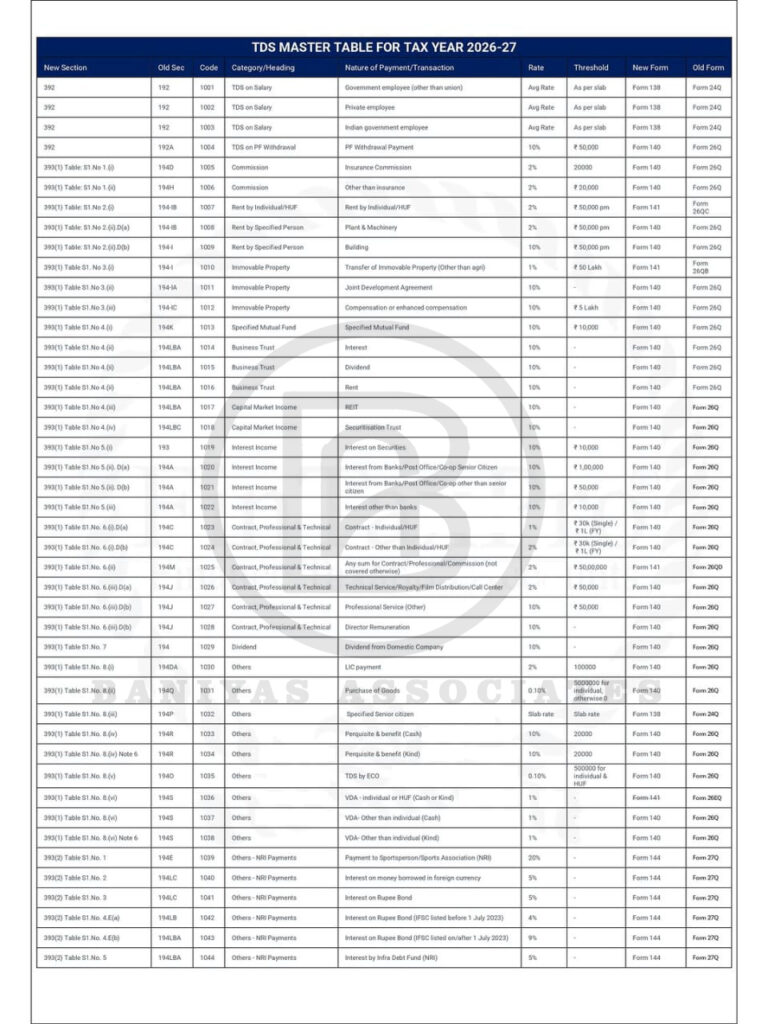
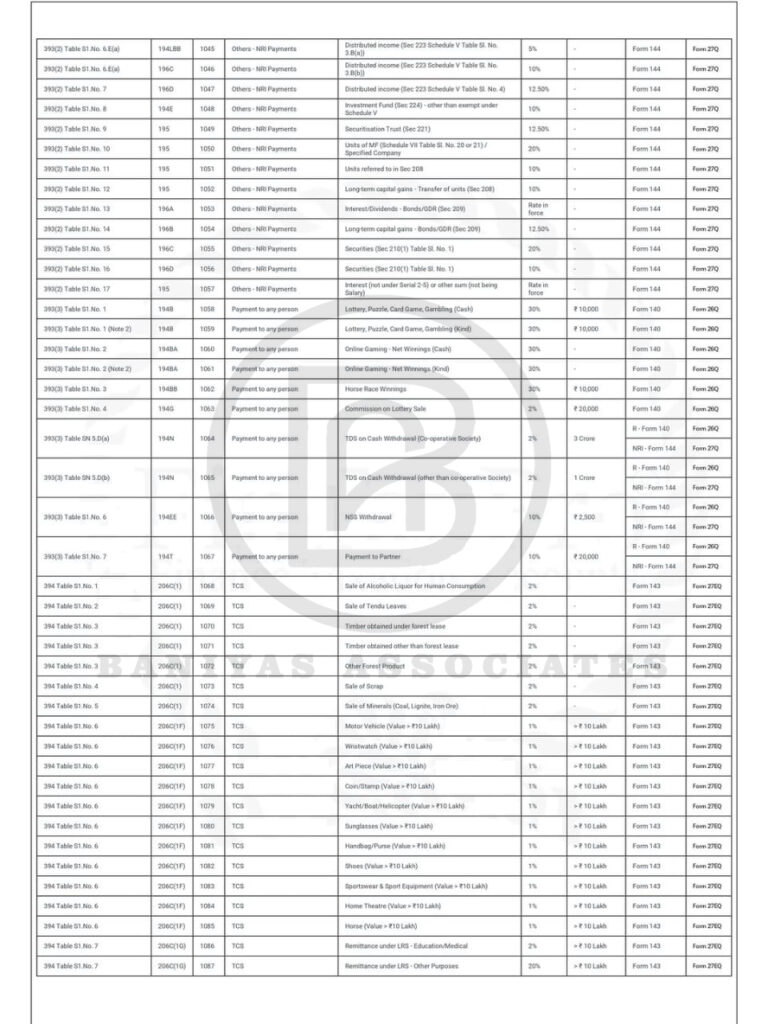
The updated framework under the income tax act has introduced clearer structures for TDS rates, sections, and compliance requirements for FY 2026-27. This article explains the complete TDS master table, helping you understand key sections, rates, and how they apply in real-world scenarios.
What is TDS Under the Income Tax Act?
TDS is a system where tax is deducted at the time of making specified payments such as salary, interest, rent, or professional fees. It ensures timely tax collection and reduces the chances of tax evasion.
Under the updated provisions, the income tax act 2025 provides a structured approach to deductions, making compliance more transparent and efficient.
What are the Key Highlights of TDS Master Table 2026-27?
The TDS section chart for FY 2026-27 introduces several important updates:
- Revised rates for various types of payments
- Clear classification of sections and categories
- Updated threshold limits for deductions
- Introduction of new reporting forms
- Simplified structure for better compliance
These updates aim to reduce confusion and make the system easier to follow.
What are the Important TDS Sections and Their Applicability?
Salary and General Payments
TDS on salary is deducted based on applicable income tax slabs. Employers calculate tax liability and deduct it monthly.
Interest Income – Section 194A
The 194a tds section applies to interest earned from banks, post offices, or other financial institutions. A standard rate is applied once the threshold limit is exceeded.
Contracts and Services – Section 194C
Under the 194c tds section, tax is deducted on payments made to contractors or subcontractors. It is commonly applicable in business transactions involving services or work contracts.
Payments to Non-Residents – Section 195
The 195 tds section deals with payments made to non-residents. The rate varies depending on the nature of income and applicable agreements.
What are the TDS Payment and Compliance Process?
Proper tds payment is essential to avoid penalties and maintain compliance. The process generally includes:
- Deducting tax at the time of payment
- Depositing it with the government within the due date
- Filing TDS returns with accurate details
- Issuing TDS certificates to the payee
Timely compliance ensures smooth financial operations and reduces legal complications.
what are the Notices and Compliance Under the Act?
Taxpayers may receive tax notices income tax act 1961 for various reasons such as mismatch in income, delayed filings, or incorrect deductions. One common notice is issued under section 142(1) income tax act, which requires submission of additional information or documents.
Understanding these notices and responding promptly is important to avoid further scrutiny or penalties.
Why the TDS Section Chart Matters?
The tds section chart serves as a quick reference guide for taxpayers and professionals. It helps in:
- Identifying correct TDS rates
- Understanding applicable sections
- Avoiding incorrect deductions
- Ensuring compliance with updated rules
Having a clear understanding of this chart simplifies tax planning and reporting.
Key Takeaways
The TDS Master Table for FY 2026-27 provides a structured and updated view of tax deductions under the revised framework. By understanding key sections, rates, and compliance requirements, taxpayers can manage their obligations more effectively and avoid unnecessary issues.
Important FAQs About New Income tax act 2025 & TDS Section
Q1. What is TDS under the income tax act?
TDS is a method of collecting tax at the source of income. The payer deducts tax before making the payment and deposits it with the government.
Q2. When is TDS required to be deducted?
TDS must be deducted at the time of payment or credit, whichever is earlier, depending on the nature of the transaction.
Q3. What happens if TDS is not paid on time?
Late payment of TDS can result in interest, penalties, and possible legal notices from tax authorities.