
Filing your income tax return is an essential responsibility for every taxpayer, and ITR Filing in 2026 comes with a few important updates. Whether you are a salaried employee, freelancer, or business owner, understanding the latest rules and deadlines can help you avoid penalties and ensure smooth compliance.
The financial year 2025-26 brings changes in reporting requirements, verification processes, and timelines. Staying informed about these updates not only helps you file accurately but also reduces the chances of notices or errors during your itr return process.
what is the latest itr update and its changes?
The latest itr update 2025-26 focuses on transparency and faster processing. The government has simplified certain forms while tightening compliance for high-value transactions.
Important changes include:
- Pre-filled data expanded for better accuracy
- Mandatory disclosure of certain income sources
- Improved online verification system
- Faster processing and quicker refunds
Taxpayers should carefully review pre-filled details before submission to avoid mismatches.
What is the ITR Filing Last Date and Deadlines?
Understanding the itr filing last date is crucial to avoid late fees. For most individual taxpayers, the itr last date is typically July 31, 2026, unless extended by authorities.
Key deadlines to remember:
- Individuals (non-audit cases): July 31, 2026
- Businesses requiring audit: October 31, 2026
- Revised return deadline: December 31, 2026
Missing the last date to file itr can result in penalties and interest under applicable sections.
How to File Your ITR Smoothly?
Filing taxes has become easier with digital platforms. If you are unsure about the process, you can explore reliable guidance on to understand proper filing steps.
Basic steps include:
- Collect all necessary documents (Form 16, bank statements, etc.)
- Choose the correct ITR form
- Verify pre-filled information
- Submit and e-verify your return
Ensuring correct details at each step minimizes errors and speeds up itr status updates.
What are the Common Mistakes to Avoid in ITR Filing?
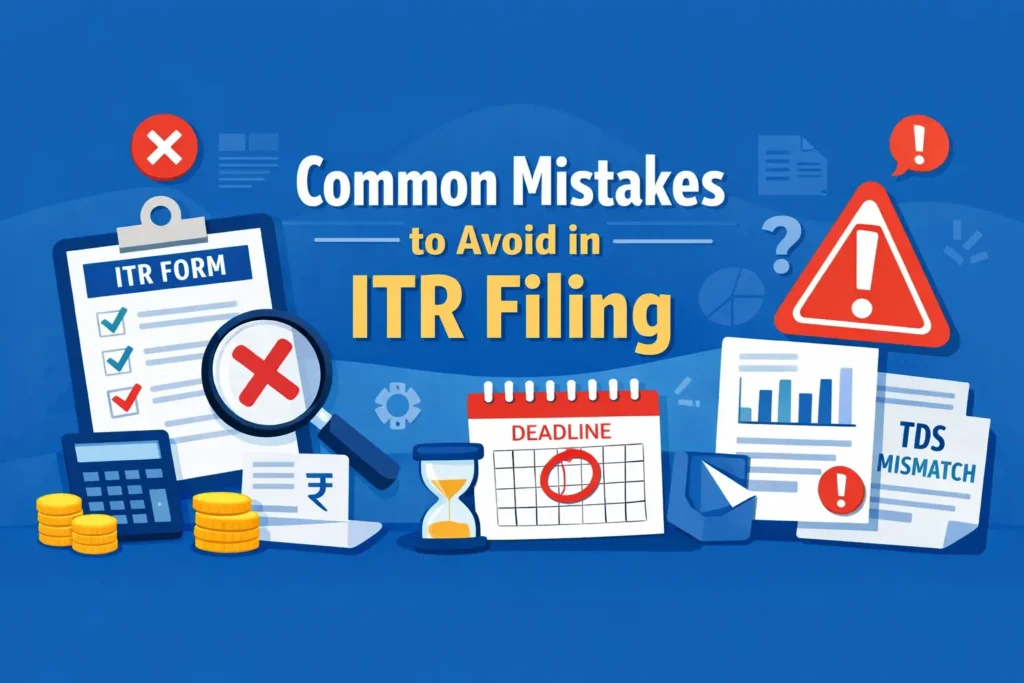
Many taxpayers make small mistakes that lead to delays or notices. Avoiding these errors is key to a hassle-free experience.
Frequent mistakes include:
- Selecting the wrong ITR form
- Not reporting all sources of income
- Claiming incorrect deductions
- Ignoring mismatch in TDS details
- Failing to verify the return
Even minor inaccuracies can affect your refund or lead to compliance issues.
What are the Tips for Accurate and Timely Filing?
Being proactive can make a big difference in tax compliance.
Practical tips:
- Start early instead of waiting for itr filling date 2026
- Keep financial records organized
- Double-check all entries before submission
- Track your itr status regularly
- Consult a professional if needed
Following these steps ensures that your filing is both accurate and timely.
Are You Staying Updated for Smart ITR Filing?
Keeping track of updates, deadlines, and best practices is essential for smooth tax compliance. With the right approach, filing your return can be simple and stress-free while helping you stay compliant with the latest regulations.
income tax act 2025
legal consultancy
Important FAQS About ITR Filing
Q1. What is the last date to file ITR in 2026?
For most individuals, the last date to file itr is July 31, 2026. However, this may change if the government announces an extension.
Q2. How can I check my ITR status?
You can check your itr status through the official income tax portal using your PAN and acknowledgment number.
Q3. Why is accurate ITR Filing important?
Accurate ITR Filing helps avoid penalties, ensures faster refunds, and reduces the chances of receiving notices from the tax department.